In the quiet, solemn halls of the Scottish Rite, there is no ceremony more poignant or evocative than the Feast of the Paschal Lamb. Often referred to as the Mystic Banquet, this observance serves as the spiritual heart of the Chapter of Rose Croix, acting as a bridge between the ancient traditions of the past and the living duties of the present. It is a moment where history, symbolism, and brotherly love converge in a tribute to the "New Law" of love and the enduring memory of those who have passed to the Celestial Lodge. This ceremony does not merely recount a historical event; it serves as a living testament to the persistence of the human spirit and the unbreakable bonds of fraternity.
The essence of the ceremony transcends specific denominational boundaries, even though it draws heavily on the rich imagery of the Passover and the Last Supper. Within a Masonic context, it functions as a universal celebration of liberation, representing the freeing of the mind from ignorance and the soul from despair. This liberation is not merely political or physical, but internal—a breaking of the chains of prejudice and intolerance. At its core, the banquet is a communion of spirits that honors the Great Lights of antiquity and the principles of Faith, Hope, and Charity. It serves as a vital reminder that while the physical body is transitory, the impact of a life lived in service to humanity remains eternal, echoing through the lives of those we touch.
The setting of the Mystic Banquet is rich with symbolic architecture where every element on the table and every movement of the officers carries significant weight. The Paschal Lamb itself represents innocence, purity, and the selfless sacrifice made for the betterment of others, reminding every Mason of the nobility found in placing the welfare of the many above the desires of the self. The shared elements of bread and wine are not offered as a religious sacrament in the clerical sense, but rather as symbols of the fraternal bread that sustains the brotherhood through trials and triumphs. In many versions of the rite, the rhythmic extinguishing of lights creates a profound silence that honors the passing of members, allowing the darkness to speak more eloquently than any spoken oration. This darkness is not a sign of defeat, but a canvas upon which the memory of a brother’s life is painted in the minds of those who remain.
Perhaps the most moving portion of the evening is the Ceremony of Remembrance. As the names of brothers who have deceased during the past year are read aloud, a void is felt, yet a connection is reaffirmed. This act of naming the departed ensures that no brother is truly forgotten, reinforcing a Masonic tie that is not broken by the grave but merely stretched into the infinite. It is a realization that we do not mourn as those without hope, but rather remember as those who believe in the immortality of the soul and the persistence of character. Each name spoken is a pebble dropped into the still waters of the lodge, creating ripples of influence that continue to move the hearts of the living long after the speaker has finished.
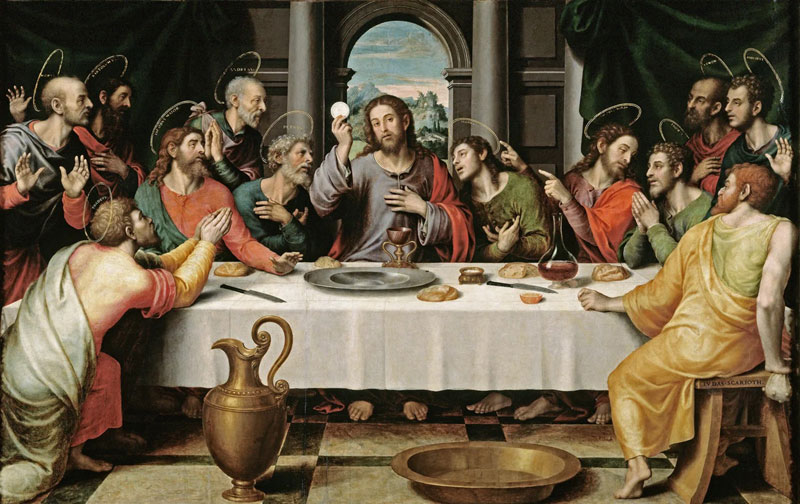
Furthermore, the Mystic Banquet serves as a time of deep personal introspection. It invites the Mason to step away from the noise of the secular world and enter a space of hushed reverence where the ego is set aside. In this environment, the concepts of the "New Law"—to love one another—cease to be abstract philosophical goals and become practical mandates for daily living. The ceremony emphasizes that the greatest temple a Mason can build is not made of stone and mortar, but of character and kindness. By reflecting on the virtues of those who have gone before, the participants are inspired to refine their own lives, smoothing their own rough ashlars in preparation for their eventual transition.
While the Feast looks backward in honor, it also looks forward in duty. The ceremony challenges every participant to renew their commitment to the Law of Love and asks how they will use the time remaining to them to lighten the burdens of their fellow man. It is a call to action, urging the brotherhood to be a source of light in a world that often feels shadowed by discord. As the final toast is raised and the lights are eventually restored, the message remains clear: the light of Truth can never be permanently extinguished as long as there are those willing to carry the torch. The Feast of the Paschal Lamb concludes not with a sense of an ending, but with a renewed sense of purpose, sending the brothers back into the world as emissaries of peace, tolerance, and tireless charity.